
Japan – the land of pink cherry blossoms, traditional shrines and temples, manga drawings on every corner, the majestic Mount Fuji and many contrasts. It is not without reason that the Land of the Rising Sun is one of the most popular tourist destinations in the world. According to figures from the Japan National Tourism Organisation, the country recorded a record number of almost 37 million international visitors in 2024.
We too were caught up in the Japan hype – and now we know why the country, with its rich culture, captivates so many people. Over a period of three weeks (from the end of May to mid-June), we visited various places on the largest main island of Honshū, exploring the major tourist hotspots as well as a few lesser-known travel tips along one of the main travel routes.
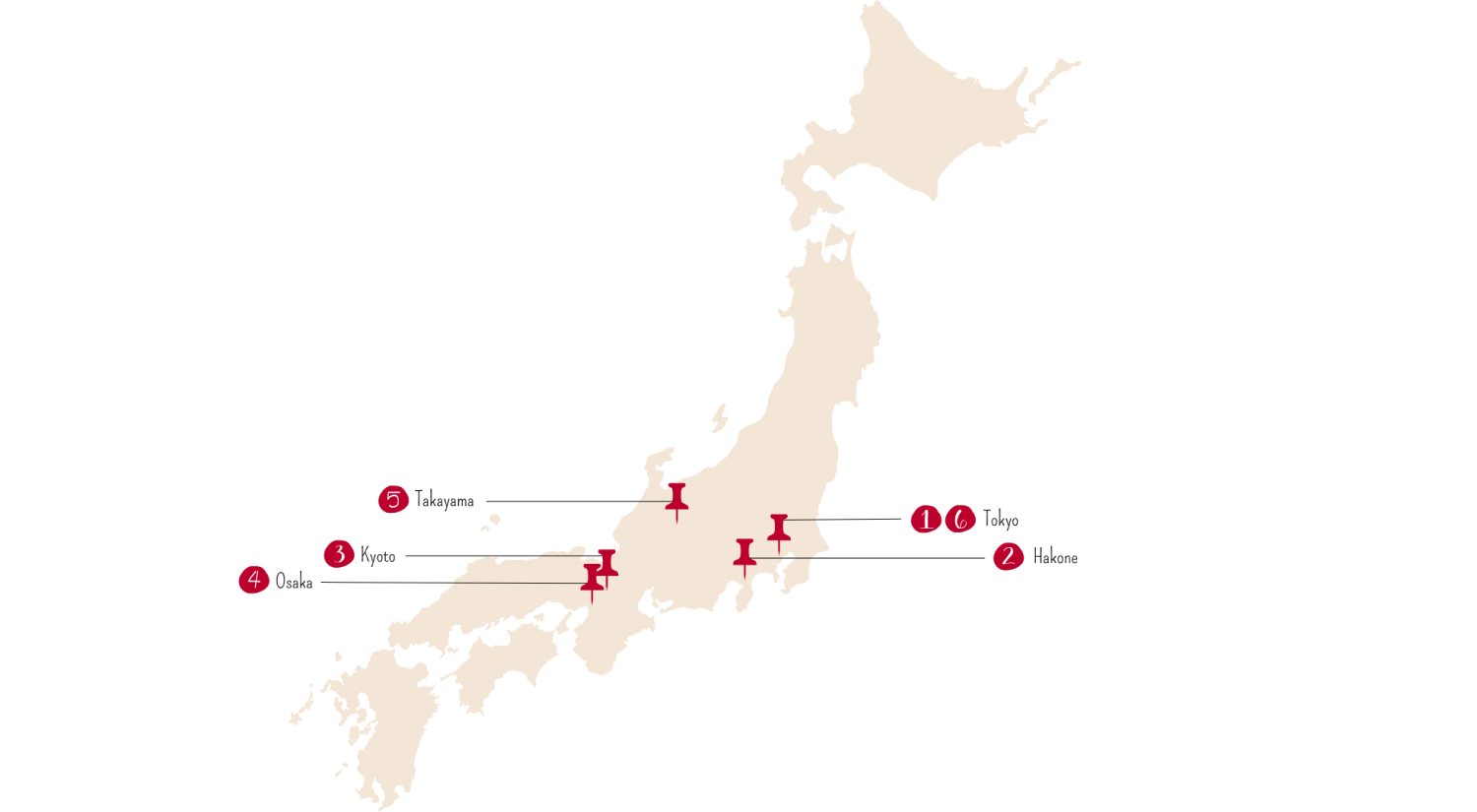
The mega-metropolis of Tokyo is the vibrant centre of Japan. Nowhere else does millennia-old history meet the modern age – glass skyscrapers next to red torii gates, billboards and traditional buildings, a Shinto shrine surrounded by 70 hectares of forest in the middle of the city centre. The city is alive, it pulsates, and it's hard not to fall in love with it. For our trip, we planned four full days in Tokyo (with a longer stay at the beginning and a shorter one at the end of the trip). Two more days can be counted as half-days, considering the arrival and departure.
For your first full day in Tokyo, we recommend taking a long walk to explore some of the most famous sights (especially if you can overcome your jet lag).

Start at Shibuya Crossing, which is easily accessible via Shibuya Station. If you want to catch a breathtaking view of the city from here, you can plan a trip to Shibuya Sky. From here, you can not only see what is probably the most famous intersection in the world from above, where thousands of tiny ants crawl across the streets when viewed from this height, but the viewing platform also offers a view of the entire city. The city stretches so far that there is no end in sight. If you are lucky, you can also catch a wonderful view of Mount Fuji from here.
From Shibuya Crossing, walk towards Meiji Shrine. For music lovers, there is also a Tower Records store to visit along the way. The temple is surrounded by extensive woodlands – the ideal place to reflect and enjoy a moment of tranquillity in the middle of the city. We liked the grounds almost better than the shrine itself.
Next, we return to Meiji-jingumae “Harajuku” station, where we happened to come across a small anime/manga gallery. From here, you can take the Chiyoda Line directly to Kasumigaseki Station, from where it is a short walk to the Imperial Palace, which, as the name suggests, is the residence of the Japanese emperor (Tennō). We viewed the palace from a distance from the surrounding park, which was more than worth it.

If you still have energy left, you can stroll from there to the adjacent Ginza shopping district. Although it may be worth planning a whole day for this, it is still worth taking inspiration from the numerous shop windows and modern department stores.
The Asakusa Shrine in the district of the same name is one of Tokyo's most famous Shinto shrines. And rightly so, as the red complex is a real feast for the eyes. But be warned, if you've managed to escape the larger crowds of tourists so far, now is the time to face them. Nakamise Shopping Street, which leads to the shrine with its numerous small souvenir shops and street food stalls, is also very busy. However, as soon as you stray a little from this main route to the shrine and explore some of the side streets (which are home to many great little shops), the streets become less crowded.

After visiting the shrine, take public transport further into the hustle and bustle of Akihabara (Akiba for short) – Tokyo's vibrant anime and tech district. The brightly lit buildings, rows of shops, arcades, gachapons (small capsule machines) and young women dressed as anime characters are a sight to behold. Even if you are less interested in this art form, it is still worth a visit simply to experience this type of Japanese pop culture.
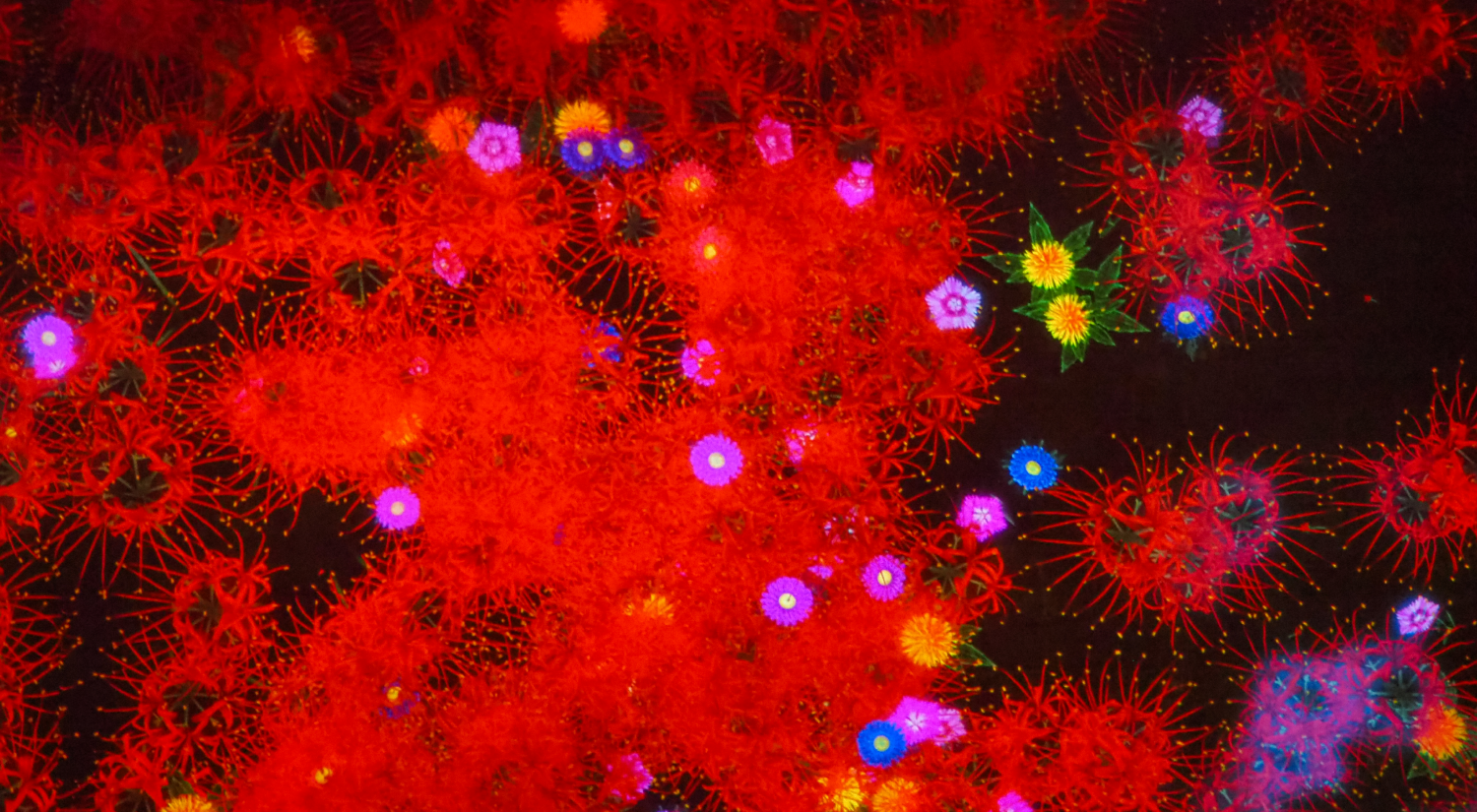
Of course, Tokyo is also home to many exciting and impressive museums. One of them is not to be missed during a visit: TeamLab Borderless in Azabudai Hills. The digital art museum is divided into different rooms, each of which displays impressive installations and light shows that – depending on the room – can sometimes wander through the exhibition. A great (even in bad weather) activity for young and old alike that is definitely not to be missed! An added bonus: next to the museum entrance is a Nakamura Tokichi store selling sensational Uji matcha, which you can take away with you.
If you're looking for a very special souvenir of your trip to Japan, consider booking a professional photo shoot with Ippei and Janine. The Japanese-Australian couple captures beautiful moments at a location of your choice. We opted for an urban setting below Yūrakuchō Station and couldn't be happier with the result! If you prefer to be photographed in nature, you will of course also get your money's worth.
What would a trip to Japan be without a shopping spree? Admittedly, we left this part of the trip until the end, shortly before departure, although we did pick up a few small items here and there. As mentioned above, the Ginza district is definitely worth a visit for shopping. This is where you will find all the flagship stores of Japanese clothing brands such as Uniqlo and GU, as well as other department stores such as LOFT and Muji. A little tip: the flagship stores are worth a visit because you probably won't find such a large Uniqlo anywhere else, but for actual shopping I would recommend a smaller version to avoid the crowds.
We were very happy with this choice. The value for money was excellent. The location was great, we were able to explore a lot of the area on foot, and Tokyo Station is also within walking distance. So the hotel is also ideally located for using public transport. However, you should be prepared for the rooms to be very small, but that's the case almost everywhere in Tokyo.
For ramen (with clam): Mugi to Olive
For sushi (a traditional standing bar): Tsukiji Sushicho
Tip: Don't go out for sushi on Monday, because fishermen have Sunday off and don't go out to sea, so the fresh selection is smaller.
If you need a break from the hustle and bustle of the big city, Hakone is the place for you. Part of the Fuji-Hakone-Izu National Park, this small town is particularly well known for its hot springs (onsen), the picturesque landscape around Lake Ashi and the volcano of the same name, Hakone-yama. Hakone is easy and relatively quick to reach from Tokyo by Shinkansen via Odawara.
A great way to explore Hakone in all its splendour and with all its different facets is with the so-called Hakone Loop. This is a route around the extensive Hakone area using various means of transport. We recommend doing the loop clockwise so that you can sail towards Mount Fuji on the boat tour when the weather is right – but more on that later.
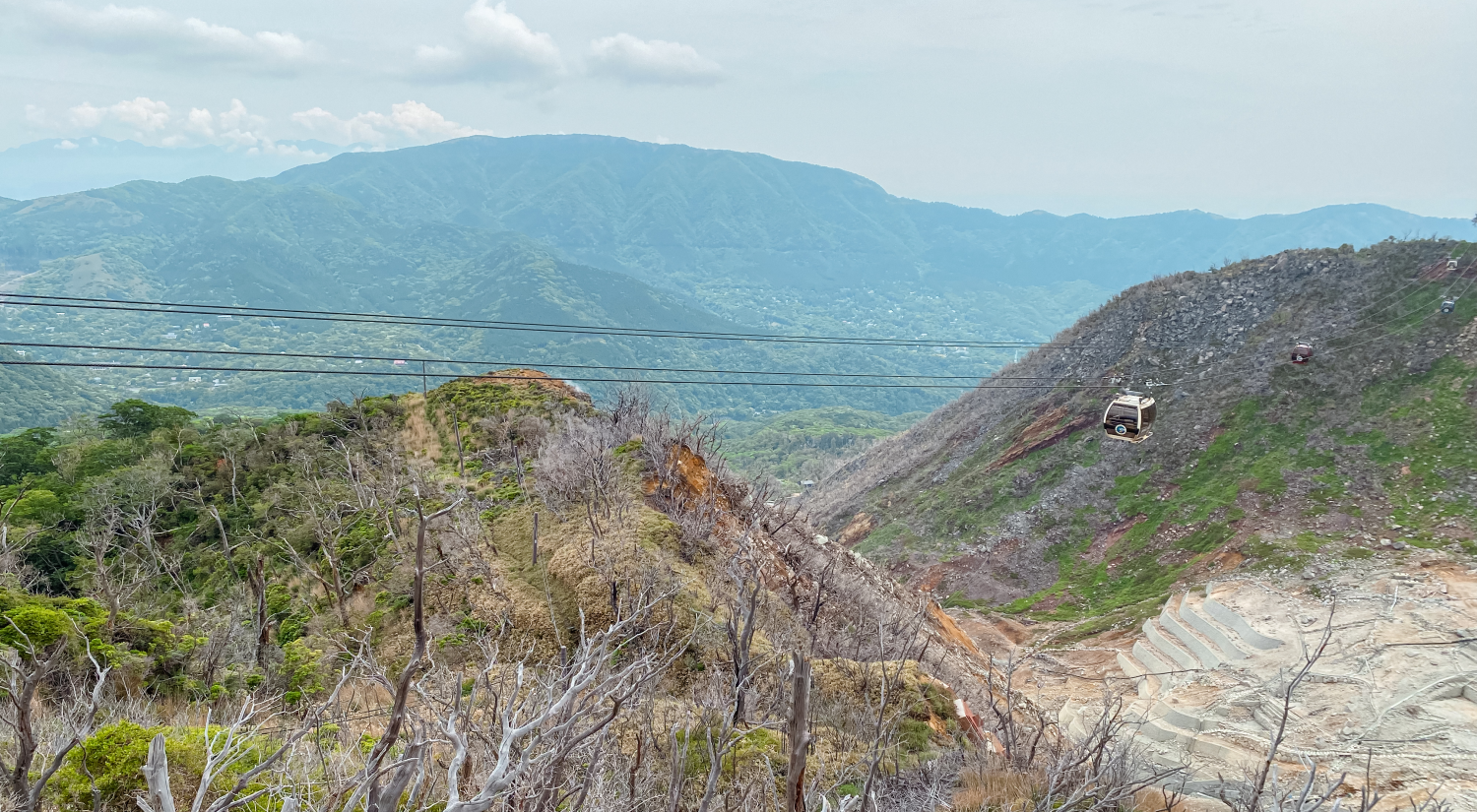
We started the short round trip at Lake Ashi harbour and took the Hakone Ropeway to Owakudani station. There we were greeted by a sulphurous smell and thick clouds of smoke, which turned out to be the activity of the local volcano. From there, we descended on the other side (with a breathtaking view of the volcanic terrain below) to Sounzan and then continued by cable car to Gora.
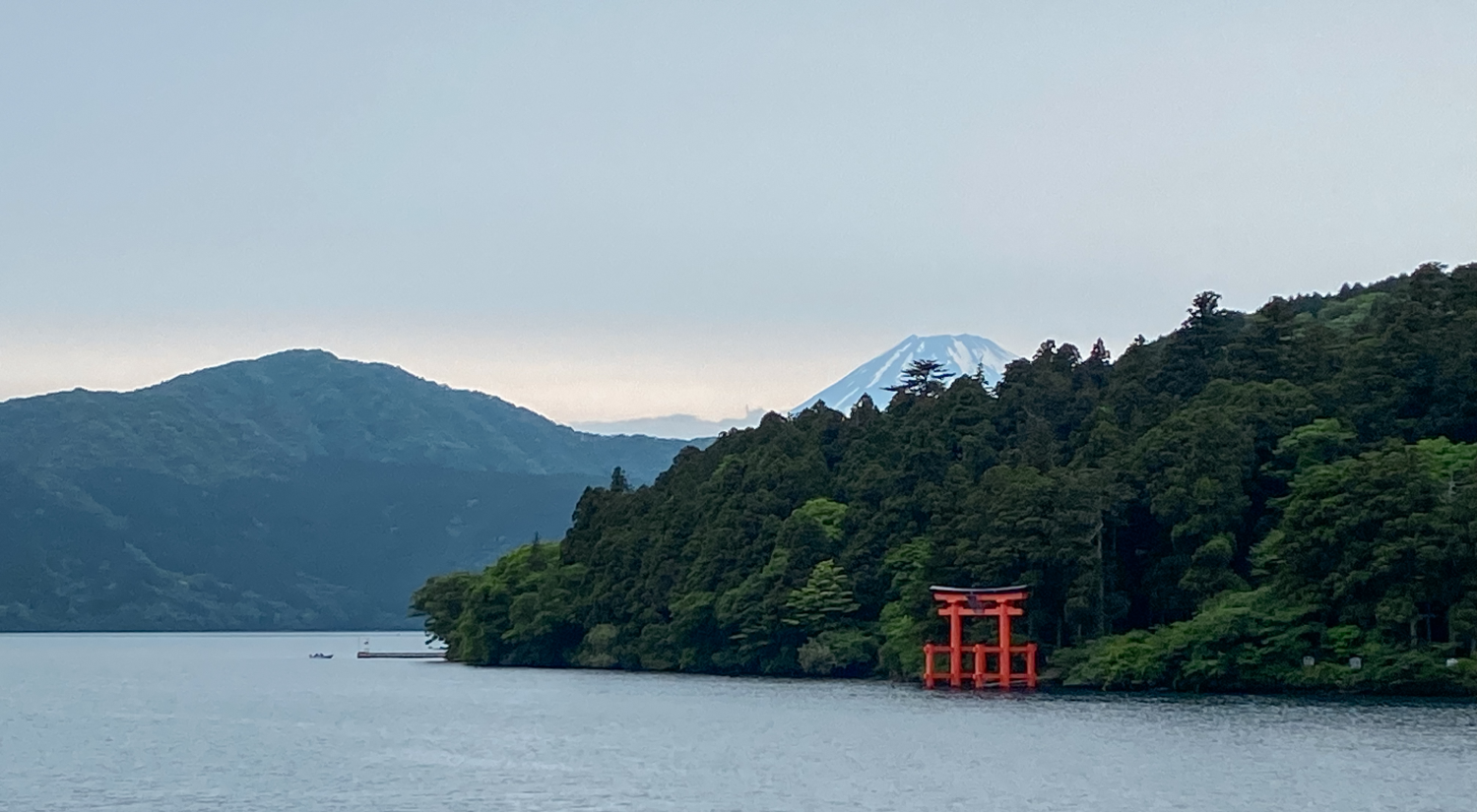
The next stop was the Hakone Open Air Museum, which features a variety of exciting figures from the modern art scene. It's definitely worth a visit, especially when the weather is nice! Afterwards, we took the bus to Motohakone, where the lake promenade is ideal for a leisurely stroll. Here, the Panorama Café Bakery & Table Hakone invites you to take a well-deserved matcha break with a beautiful view of the lake. After a little refreshment, we recommend a walk to Hakone Shrine. Here you also have the opportunity to take a photo with the famous Tori Gate right by the lake, but you will have to queue up for it. To round off the day, head back to the harbour, where you can take the Hakone Sightseeing Cruise, a pirate ship that crosses Lake Ashi lengthwise and returns to the ropeway station. Weather permitting, you can enjoy a fantastic view of Mount Fuji, which you practically sail towards on the ship.
A beautiful hotel right next to Hakone Ropeway Station (the ideal starting point for the Hakone Loop). The rooms and common areas are extremely attractively furnished and equipped. In addition to a public onsen, it is also possible to book private onsens here. Further plus points are the extensive breakfast and evening buffet (with a good mix of Japanese specialities and Western dishes) and the free shuttle to/from Odawara Station, which can be reserved in advance.
Kyoto is not known as a city rich in culture and history for nothing. As the former capital of the country, several temples are now UNESCO World Heritage Sites. Kyoto is a must-see on any first trip to Japan. Thanks to its location and good transport links, Kyoto is also an ideal starting point for further day trips. Kyoto was our base for five days, during which we visited the city itself and surrounding areas.
Our stay in Kyoto began with a trip to Fushimi Inari-Taisha – one of the highlights of the entire trip. The Shinto shrine in the south of Kyoto is famous for its thousands of torii gates, which wind their way up the hill along several paths and guide visitors to the top of the mountain. Please note: when you get off the train at Inari station, you will be almost overwhelmed by the crowds. But it's worth fighting your way through the masses, because the further you climb up the hill, the less you have to share the picturesque backdrop with other tourists, as most of them have had enough by the halfway point at the latest. At the top, you will have the opportunity to take photos of the imposing torii gates without any people in the frame.

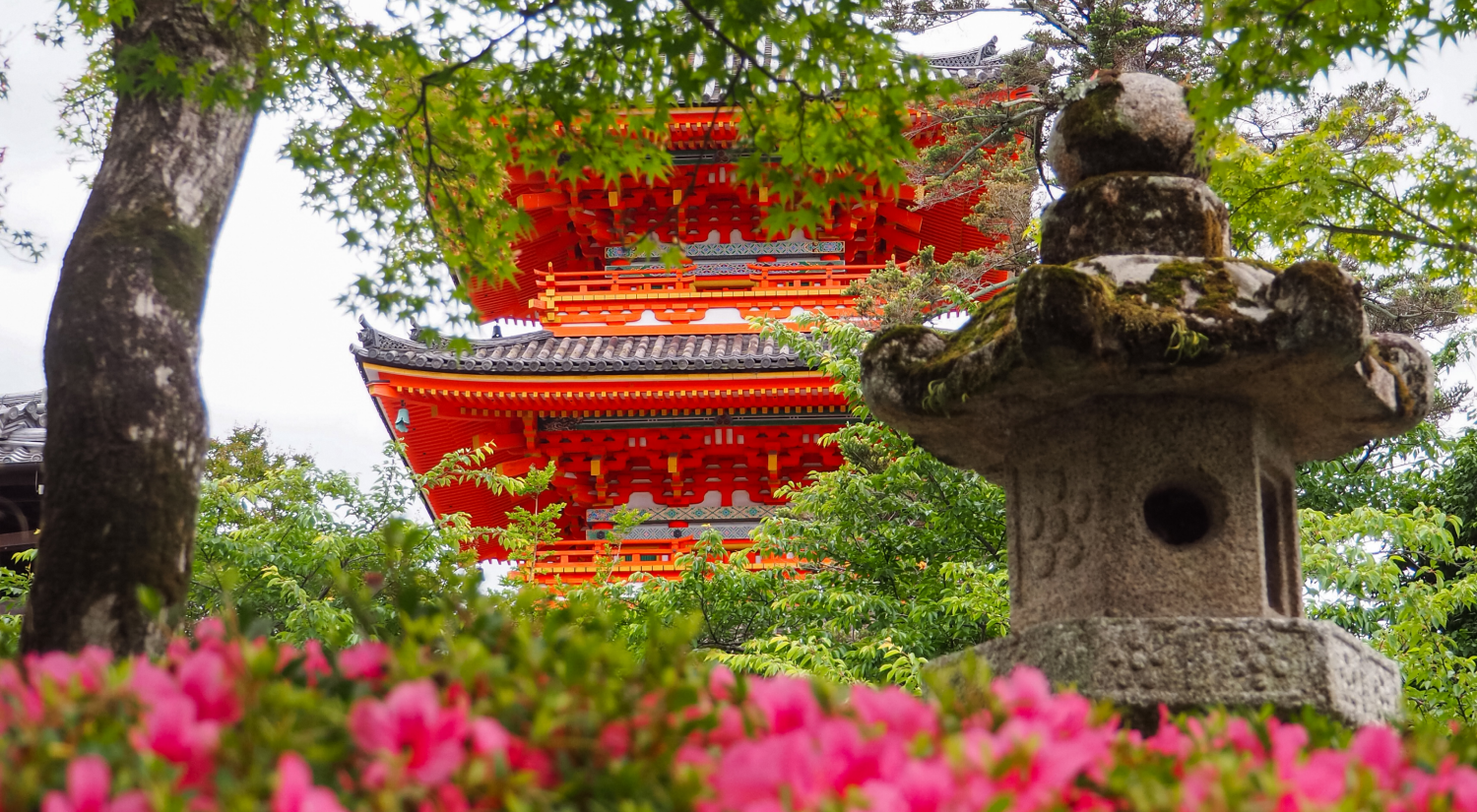
After this short morning hike, we continued on to Kiyomizu-dera Temple, one of the aforementioned UNESCO World Heritage Sites. Here, however, we were (understandably) accompanied by even more people, which is why a visit here in the early morning hours might be even more worthwhile. From here, we strolled through the traditional Gion district with its typical small houses. Finally, we took the underground to Kyoto Gyoen National Garden and the triumphant Imperial Palace (the former home of the Japanese emperor).
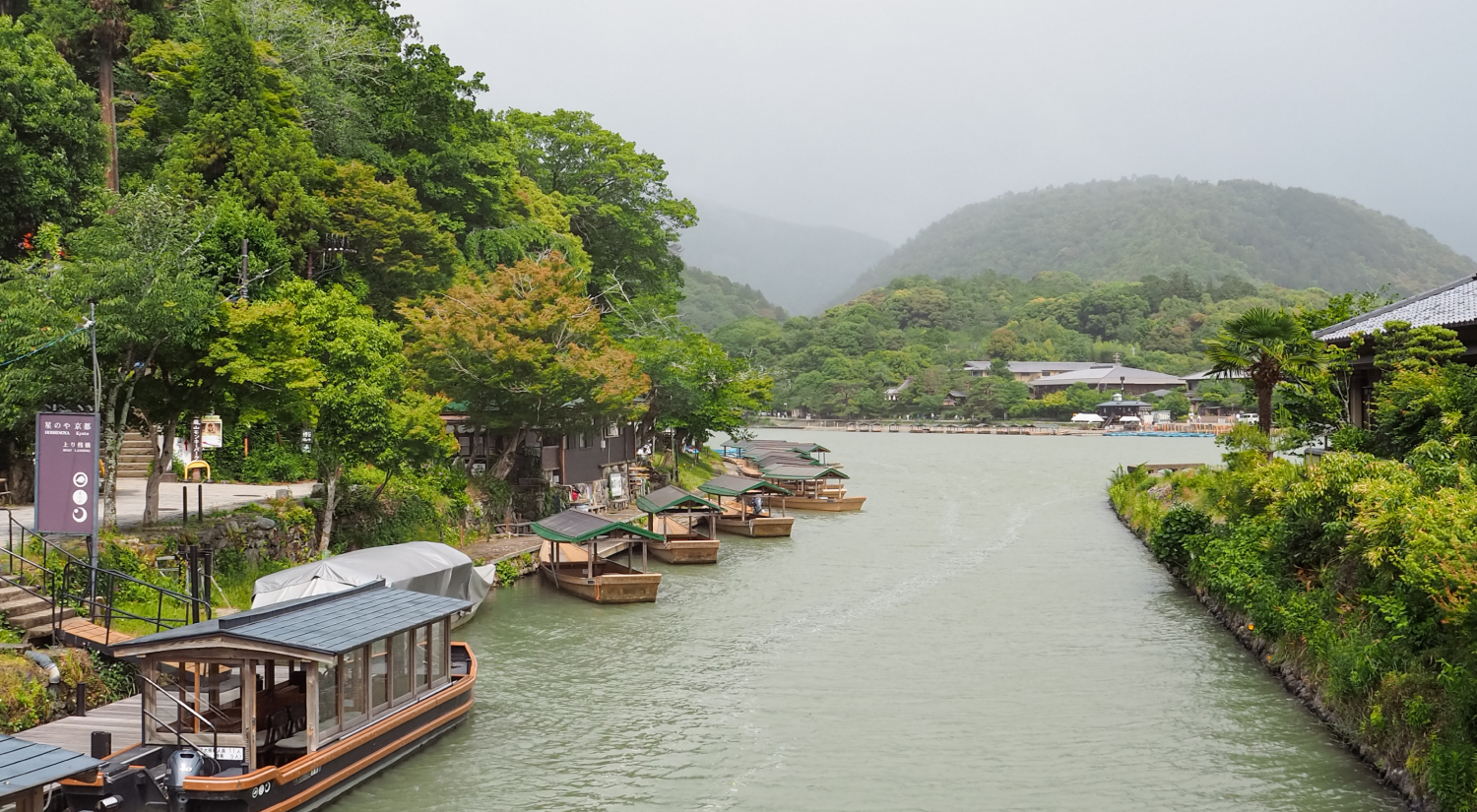
On the morning of the second day, we set off early to drive to Arashiyama Bamboo Forest. It paid off to arrive early to avoid the tourist crowds. The forest section is extremely small, with the path only about 200 metres long. But it's not boring here either: we highly recommend the short climb to the Arashiyama Park Viewpoint, from where you have a very beautiful view of the Katsura River. From here, you can walk to Togetsukyō Bridge and then back to Saga-Arashiyama Station, passing numerous restaurants, cafés and shops.
We then spent a leisurely afternoon at the Kyoto International Manga Museum. Even if you're not a big manga reader, the collection here is extremely impressive from a purely cultural point of view. The oldest manga, which you can touch and leaf through, are over 100 years old. And a very special highlight: you can have your picture taken by professional manga artists right here in the museum – whether alone, as a couple or as a family. The finished portrait is a beautiful (and particularly Japanese) souvenir of an unforgettable trip.
As Naruto fans, we couldn't miss out on the Naruto x Boruto theme park on Awaji Island. GetYourGuide offers a bus transfer from Kyoto Station to the island, which is highly recommended as the park is difficult to reach by public transport.
The theme park has some missed potential, but it's still a MUST if you like Naruto. We completed two missions, the first of which was particularly entertaining. We had to find Naruto in a large multi-storey wooden maze and demonstrate our ninja hand signs to collect all the stamps in our scroll.
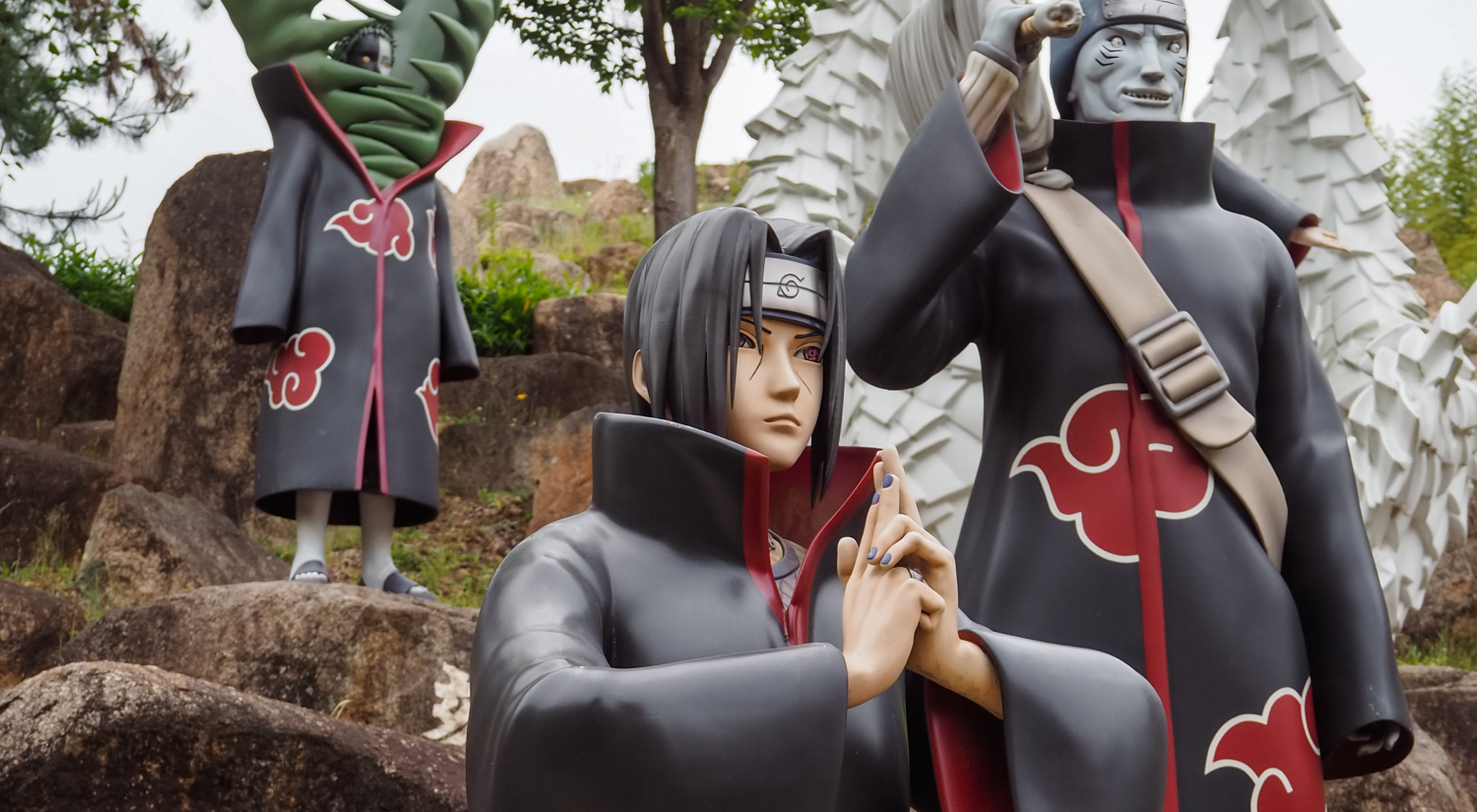
The difficulty was that we had finished everything the park had to offer within about an hour – even though we took our time. After that, we had to wait three hours for the bus to take us back. So, we decided to check out the other attractions in the park, which is highly recommended. Among other things, there is a Godzilla zip line waiting for a short ride. Alternatively, you can rent a car from Kyoto or Osaka and visit the park with maximum flexibility.
The Japanese city of Nara is easily accessible by train from Kyoto or Osaka for a day trip. It is best known for its numerous historic temples and over 1’000 deer, which roam freely throughout the city, but mainly in Nara Park.
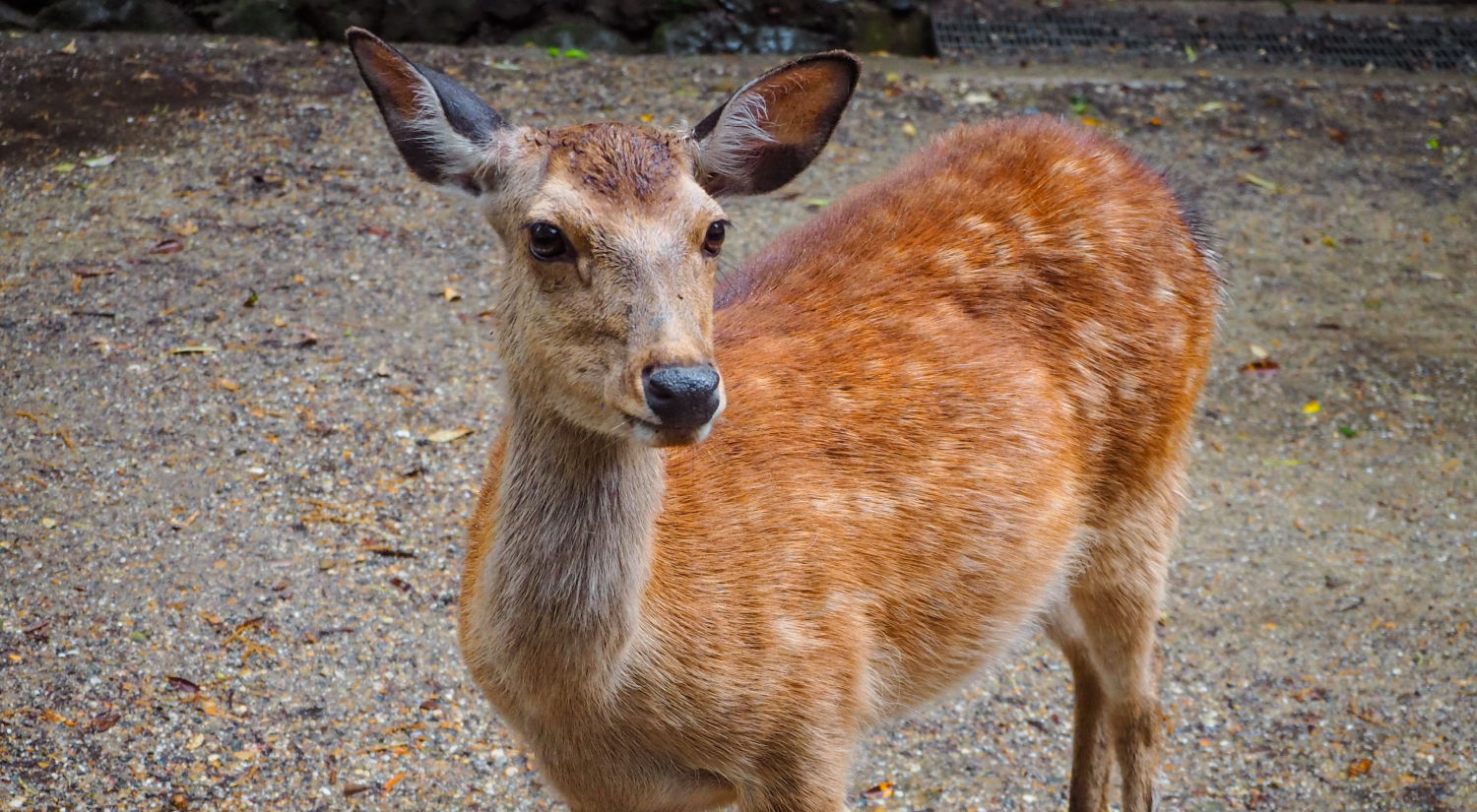
Unfortunately, we weren't so lucky with the weather during our visit, but even in the rain, Nara – especially the park – is definitely worth a visit! There is a bus from Nara Station that goes directly to the park, which is well signposted at the station. From there, it is worth taking a stroll to see the various temples in the area and, of course, enjoy the proximity of the animals. Due to the rain, we decided to return early and did not explore the city itself in detail. But we walked back to the station from the park, which was a good opportunity to soak up the atmosphere. A tip for all matcha and green tea fans: on the way back, stop off at picturesque Uji. The small town is famous for its matcha and is home to Japan's oldest tea shop, which has been in business since 1160.
Speaking of tea: naturally, Japanese tea culture is also celebrated in Kyoto. As a passionate matcha drinker, I didn't want to miss out on a traditional tea ceremony. We opted for an English-language ceremony at Maikoya near Karasuma Station – kimono included – and we enjoyed it immensely. The tea ceremony was explained in great detail, and the ladies who dressed and styled our hair were extremely friendly and courteous. If you wish, you can also wear the kimono for the rest of the day.
The hotel is very centrally located and Karasuma Oike metro station is just a few minutes' walk away. The rooms are clean and spacious, and the lobby not only offers numerous board and card games and a record player, but also snacks and free drinks around the clock.
Okonomiyaki wa cocoyanen
Unfortunately, the restaurant cannot be found directly on Google Maps, but it is located in the same building as Hyakuten Manten. The place offers a variety of dishes that are grilled right in front of you at your table – among other things, as the name suggests, you can order okonomiyaki here. The food is inexpensive and really very tasty.
Although they are only a stone's throw away from each other, Osaka has a completely different character compared to the more traditional Kyoto. Osaka pulsates, sparkles and shines, but in a different way to Tokyo. The big city has a lot to offer – from hip nightlife and numerous restaurants to the majestic castle that seems to tower over the city.
A tip to move around: Consider getting the Osaka Amazing Pass. The pass can be purchased for either one or two days and includes most public transportation as well as countless museums and attractions. We bought ours via Klook.
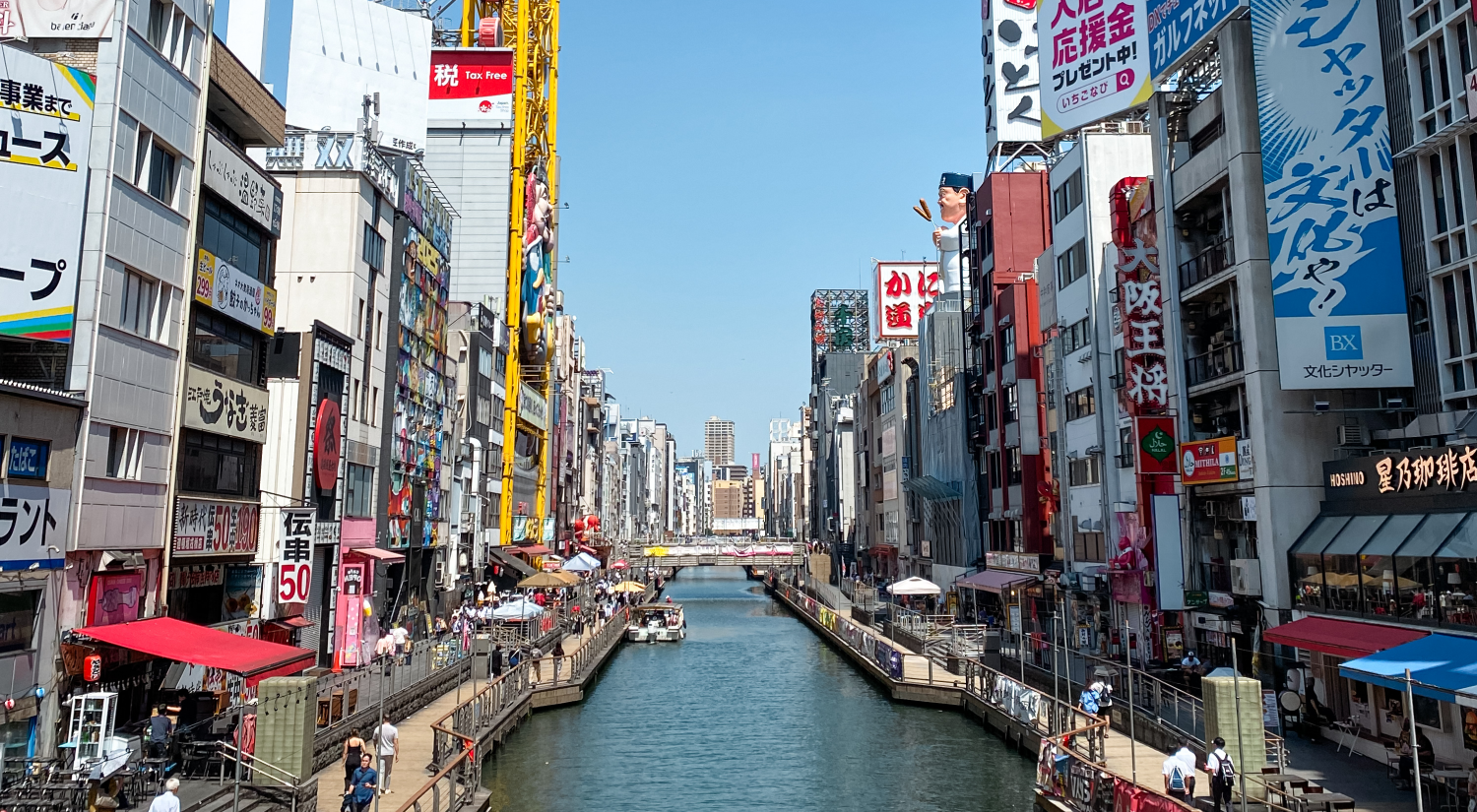
For a first impression of Osaka, it is worth exploring the area around Dotonbori first – especially if your accommodation is in the same neighbourhood. The paths along the canal are lined with bright neon billboards, giant crabs or figures attached to houses, numerous shops and eateries, and an iconic yellow Ferris wheel at the huge Don Quijote store. There is plenty to discover here. Not far away, anime, manga and tech fans will also get their money's worth: Nipponbashi Denden Town – Osaka's Akihabara – is connected to the neighbourhood in an almost seamless transition. It's also worth taking a detour to Kuromon Market for some interesting local food experiences.
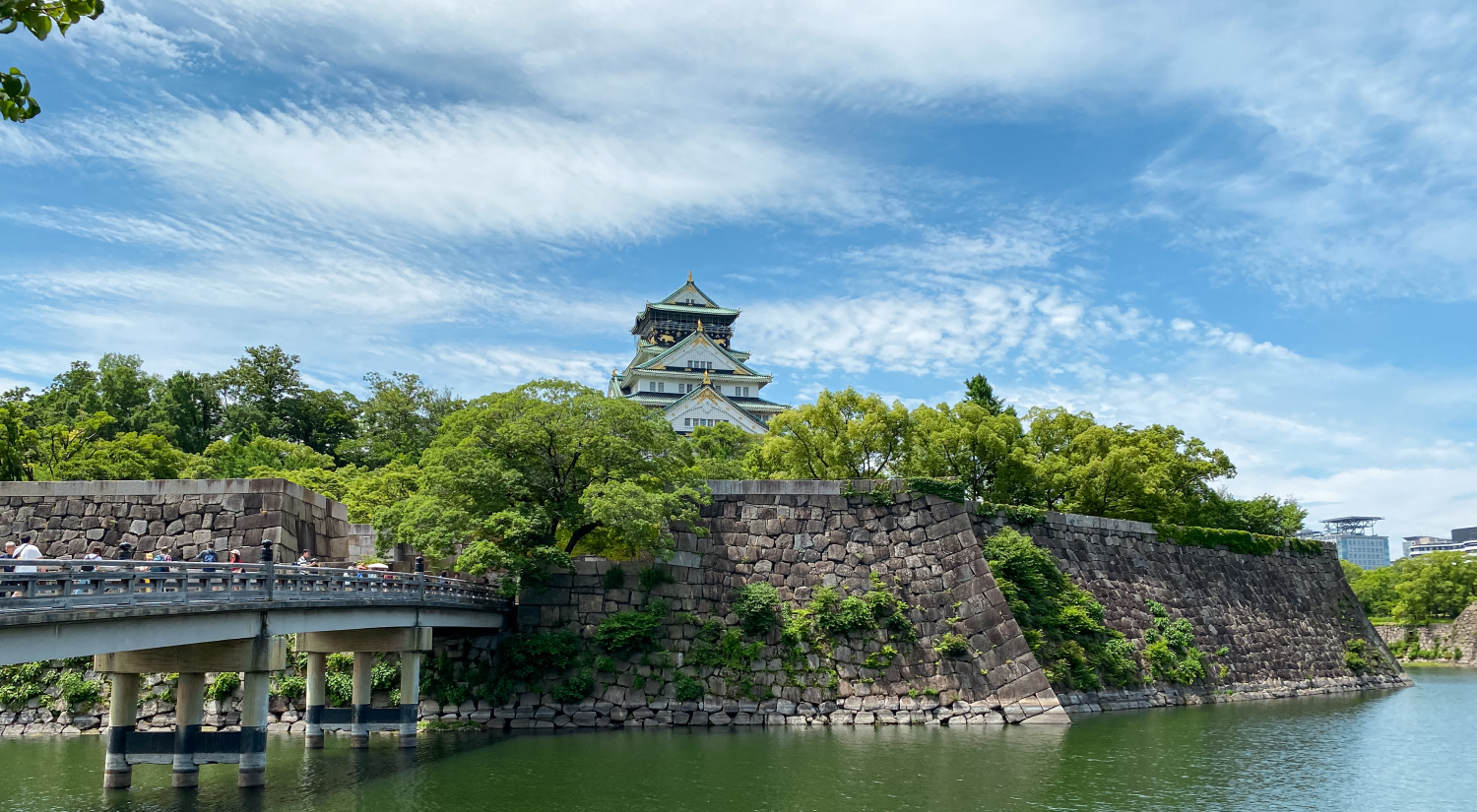
To start the next day with a significant sight, we headed straight to Osaka Castle in the morning. Due to some rather negative reviews online, we decided not to go inside and avoid the crowds, but instead visited the Kaiyodo Figure Museum. We really enjoyed it! Afterwards, it's worth taking a longer walk around the castle grounds, which are really worth seeing. From here, you also have a wonderful, slightly elevated view of the city, which is also worth seeing.
After a short brunch break in a more modern corner next to the castle, we continued on to the Osaka Museum of Housing and Living. Here, you can stroll through a small reconstructed neighbourhood of 19th-century Osaka. There are also miniature models of Osaka from other eras, which are also very nice to look at.
In the evening, we rounded off the day with a Tombori river cruise through Dotonbori – it was definitely worth it! We didn't have a reservation, but only had to wait about 20 minutes before we got a seat on one of the boats. The tour is particularly recommended in the evening, because the many lights in the area make an even bigger impression in the dark than in daylight.
This time, we opted for a holiday flat within walking distance of Dotonbori. The flat was extremely spacious, especially compared to the usually smaller hotel rooms. The only negative point was that luggage could not be stored free of charge before check-in, as is the case at a reception desk. There are luggage lockers available, which you have to pay for (which is not a problem at all), but you can only pay with cash. Otherwise, we really liked the accommodation.
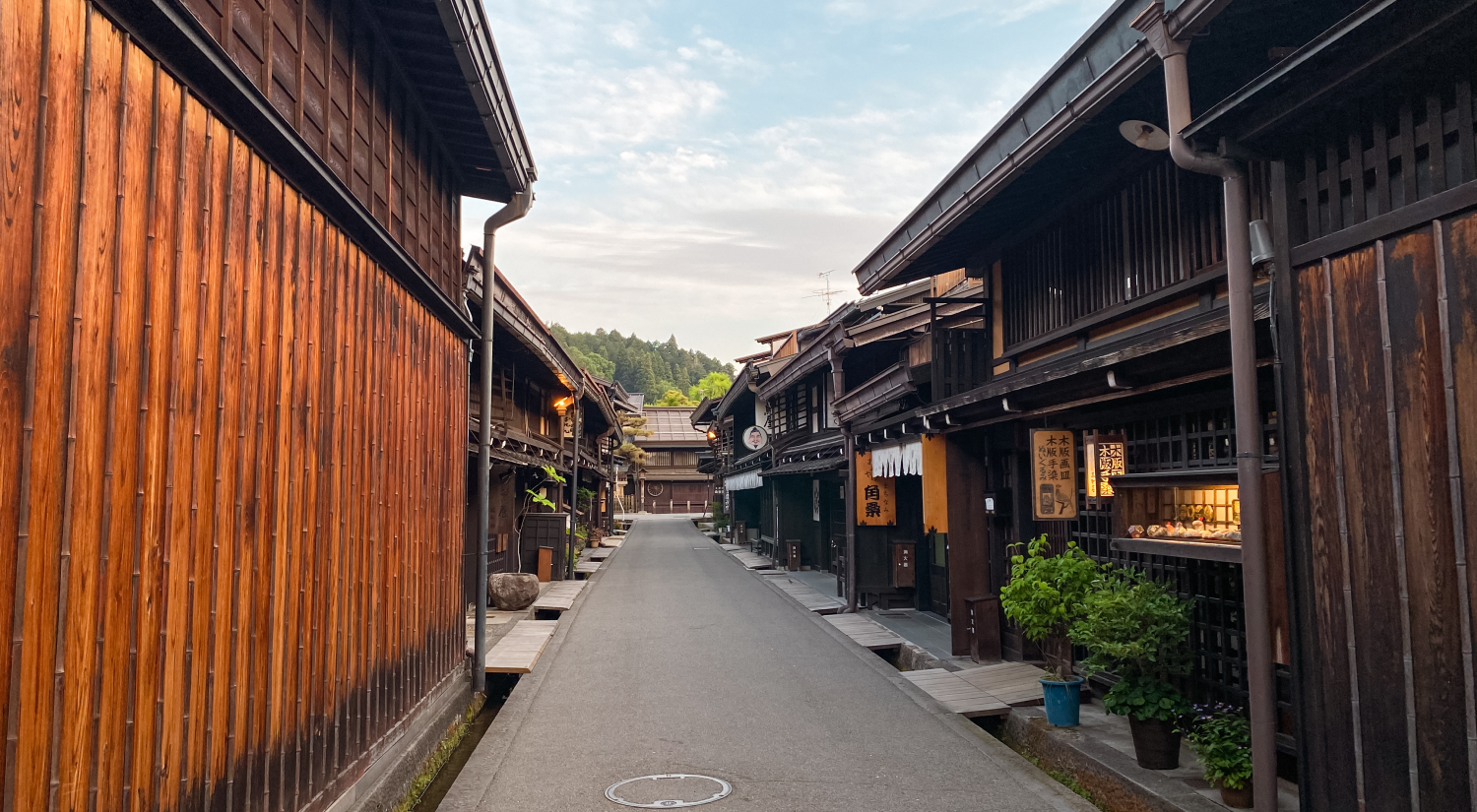
Located in the Japanese Alps, the small town of Takayama in the Hida region has a completely different charm. Numerous wooden department stores from the Edo period characterise the narrow streets and give an idea of what most Japanese towns looked like hundreds of years ago. This picturesque place has a lot to offer, from tender Hida beef, for which the region is famous, to many small and large museums and numerous shops selling all kinds of souvenirs.
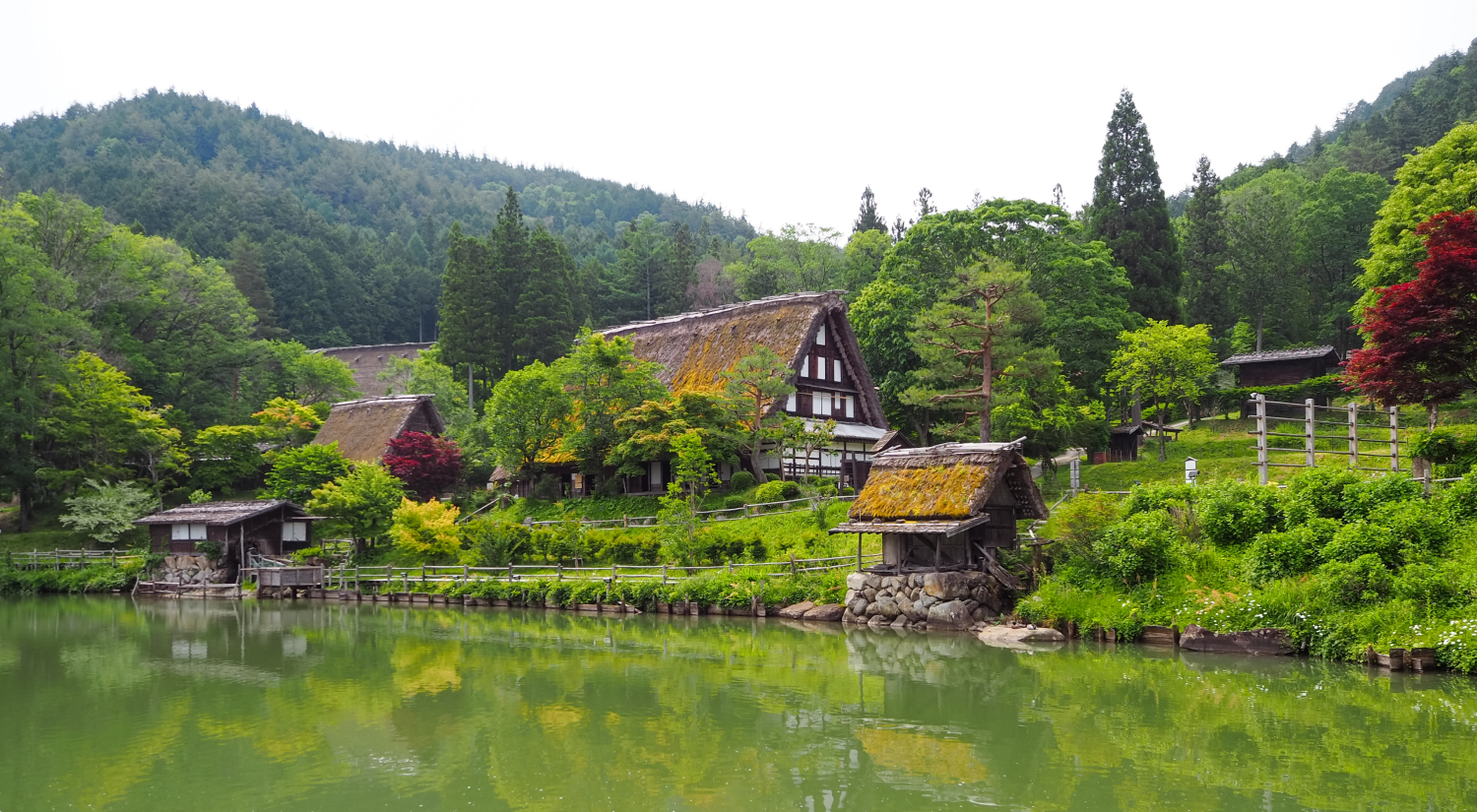
We started our day with a quick visit to the hotel's onsen (see hotel tip below). Afterwards, we recommend a detour to the Miyagawa morning market for a delicious breakfast by the river. The anko croissant (anko is a sweet red bean paste) I treated myself to there was simply perfect! Afterwards, we walked for about an hour to the Hida no Sato open-air museum, where old farmhouses from the Edo period have been reconstructed and can be viewed both from the outside and inside. It is like a small Japanese village from the past, beautifully designed in a park-like setting. Afterwards, we returned (this time by bus) to the city centre and treated ourselves to a small snack in a café, including an interesting sakura matcha (sakura = cherry blossom).
If you still have energy in the afternoon, consider a detour to the Hidatakayama Town Museum. Here you can learn all sorts of things about the local history of Takayama.
Since people in Japan don't get enough exercise, we decided on the second day to take a short walk to the old castle ruins of Takayama, which are located in a small wooded area on a hill slightly above the city. As a little refreshment, we bought a Hida milk yoghurt drink on the way, which tasted very good. Only the foundations remain of the ruins, but it was nonetheless a pleasant walk in nature.
In the afternoon, we visited the Takayama Retro Museum. Here you can find a variety of old treasures – from ancient electronic devices to ageing school desks and old toys. Many of the items can be touched and used, which makes the experience even more interactive.
A very beautiful hotel that combines a modern appearance with traditional tranquillity. The interior design is elegant and minimalist, which we found very pleasant. The accommodation also has a beautiful onsen and offers the opportunity to sample various types of sake free of charge in the evening.
This is honestly the best restaurant we have ever eaten at. Not only was the food itself phenomenal, offering several vegetarian options alongside traditional meat dishes, but the hosts also made the best impression. Every single member of staff made us feel so warmly welcomed – we highly recommend it!
Finally, I would like to summarise some general information as well as tips and tricks that helped us on our journey.
Important to note: I am sure that Japan is an experience at any time of year! But that is precisely the point: Japan has different seasons, which, as in Europe, can vary considerably depending on the region. While the thermometer reaches tropical temperatures in summer, there can be frost and snow in winter. We decided to travel in May/June so that it would be neither particularly hot nor particularly cold. June is known for being the rainy season in Japan, but we left early enough to avoid it.
First time travelling to Japan? Here is everything you need to know.
Suica Card: Be sure to get a Suica Card before your trip or upon arrival. You can do this physically on site, or you can download a digital card to your smartphone wallet. This allows you to easily use public transport by loading the card with an amount and then using it to access metro stations, for example. If you have any credit left at the end of your trip, you can also use the card as a payment method in shops or restaurants.
Get an eSim: To ensure you have easy access to all smartphone services while travelling, I would highly recommend an eSIM. These can be purchased from numerous providers. I usually buy mine via the Revolut app, which I also use for payments when travelling. For a relatively small amount, you can surf the net in selected countries or regions for a number of GB of your choice.

Google Maps is your best friend: Japan's big cities can seem like a maze, especially at first, but don't worry, Google Maps is a reliable source for finding the right way to your destination. Pro tip: pay attention to which exit is suggested at train or metro stations and use that as a guide. Some stations are so large that choosing the wrong exit can take you much longer than if you stick to the fastest route.
Helpful apps for your stay: In addition to Google Maps, other apps are useful for various purposes during your trip. To book excursions or tours as well as train tickets on the Shinkansen, we recommend downloading Klook and GetYourGuide. Japan Travel is a useful app for finding train routes. Personally, I found it more intuitive and forward-thinking than Google Maps for longer Shinkansen journeys. Last but not least, it can't hurt to download Safety Tips to receive emergency alerts about earthquakes or tsunami warnings.
Food: Eat at convenience stores and try different foods, you will be surprised (my favourite was an Anko Croissant)! Food is relatively cheap in Japan and 99 percent of the time it’s delicious no matter how much you paid for it.

Reserve seats on your train: If you book your Shinkansen tickets via Klook, you can very easily reserve your seats in advance if you pay a little more. This will give you peace of mind and you won’t have to find a free seat for a potentially very long journey. If needed, there is also the option to book a seat with extra space for your luggage on the Shinkansen.
Tax-free shopping: At the time of writing, a lot of stores offer tax free shopping. You simply need to spend at least 5’500 yen and you can go to a designated check-out counter to get 10 percent off your purchase.
Bring an empty luggage or buy an extra one there: Trust me, you will need the space in this shopping paradise.
Budget Breakdown: Lastly, you may wonder how much money you need to travel Japan. Of course, any trip can be as cheap or as expensive as you want it to be. We didn’t splurge on expensive hotels, but we did stay at nice and very central middle-class accommodations. We bought a lot of our food at convenience stores, but we also went to a few nice restaurants that were on the pricier side for Japanese standards, however, those were an exception. We also did quite a few activities and opted for the fast Shinkansen rides, rather than taking the much slower train lines. All in all, we spent around 2’300 Swiss francs (excluding the flights) on this 3-week-trip. As said, it can definitely be cheaper than this if you opt for less central hotels, take slower trains and do more activities that are for free.